Blog
Window to the Nano World




Conventional elemental analysis techniques such as XRF, XRD, and EDS can face limitations when analyzing uneven samples or surfaces with height variations, where signal collection efficiency may be reduced. Complex topographies and localized surface irregularities can make accurate detection of trace elements more challenging.
The BEX detector helps overcome these limitations by improving signal collection across complex sample geometries, enabling more reliable and accurate elemental analysis with enhanced detection performance.
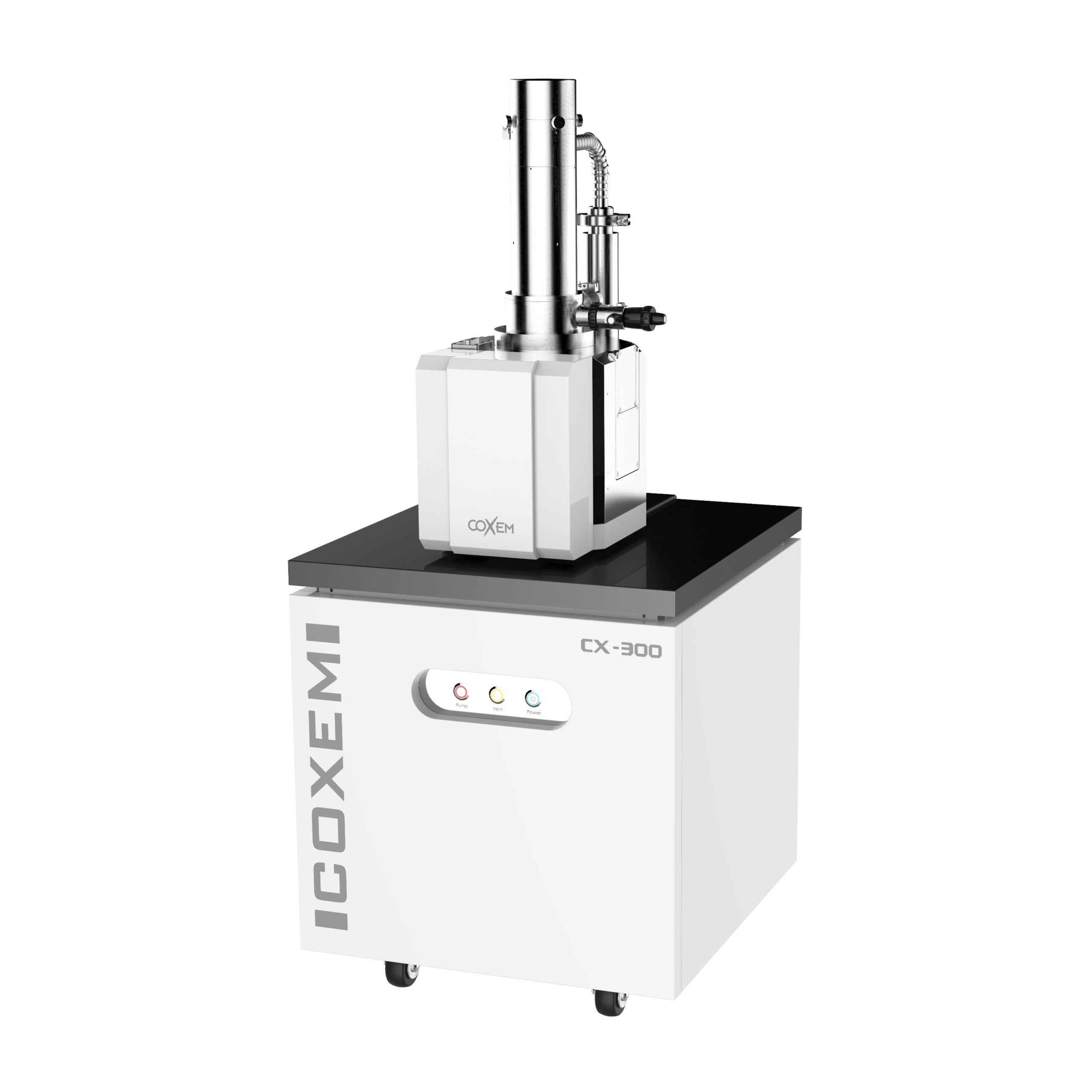
The CX-300 features a large chamber that accommodates bulky samples for wide-area observation without additional cutting. Its precise 5-axis stage enables easy optimization of sample positioning and detector geometry, making it ideal for stable BEX analysis across various sample shapes.
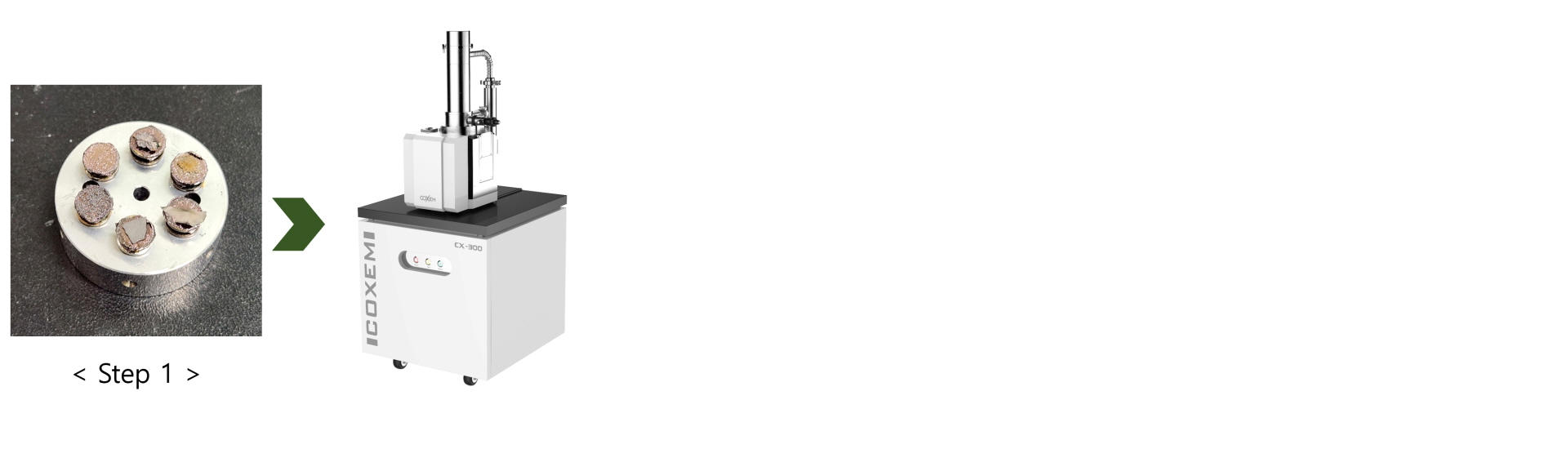
For trace element analysis, avoiding additional conductive coating on the sample surface is recommended to ensure accurate detection. In this analysis, the sample will be mounted directly onto the sample holder without any extra pretreatment.
Step 1. . Secure the sample onto the sample holder using conductive tape.

[SP 12] Output Rate: 10620cps
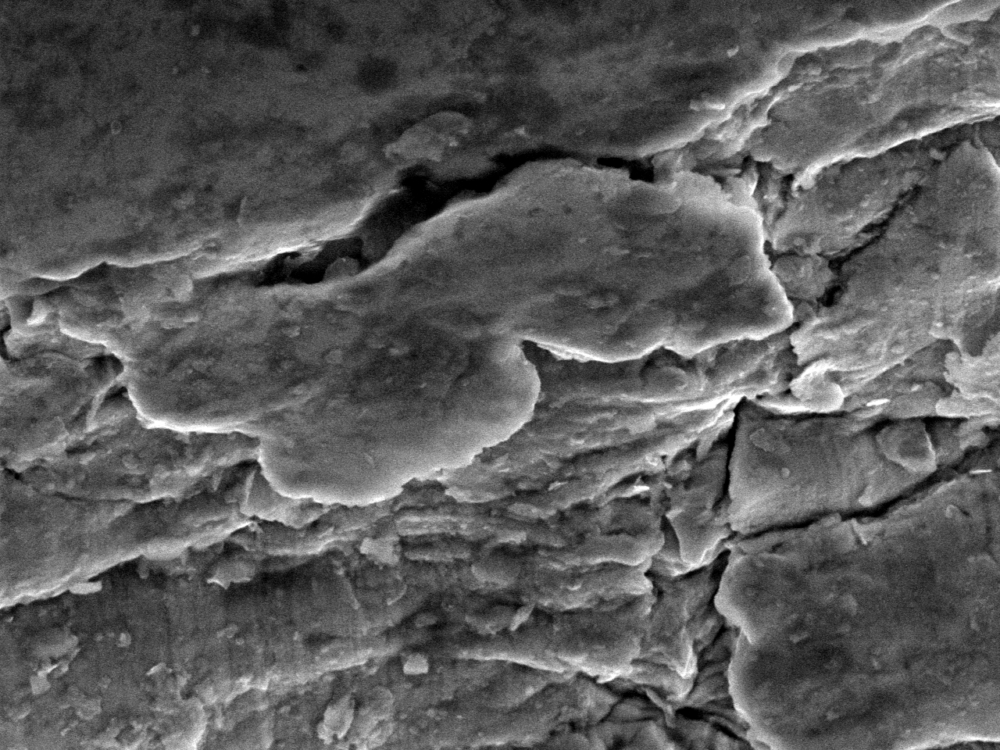
[SP 6] Output Rate: 1520cps
The images below show surface topography observed in SE mode. When the spot size is increased, the electron beam diameter becomes larger, which can reduce image resolution and sharpness. Conversely, reducing the spot size lowers the beam current, resulting in decreased X-ray signal intensity (CPS) for EDS analysis and potentially reduced quantitative accuracy.
Therefore, selecting an appropriate spot size is important to balance imaging quality and analytical performance depending on the application.
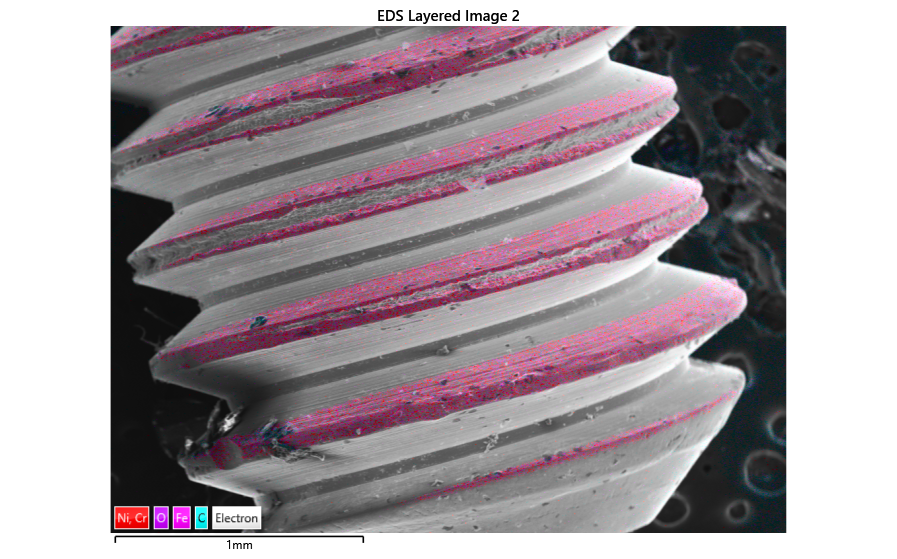
[EDS] Output Rate: 10620cps
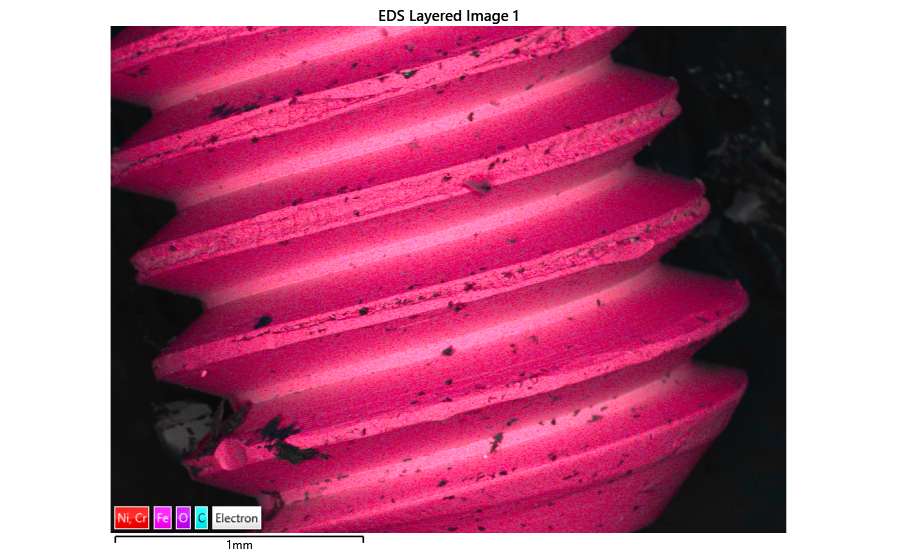
[BEX] Output Rate: 131950cps
The BEX detector delivers excellent X-ray collection efficiency, enabling stable EDS analysis even at low spot size conditions. This makes it highly effective for high-magnification imaging and micro-area analysis where both resolution and signal quality are critical.
Unlike conventional EDS detectors mounted on the side of the chamber, the BEX detector is positioned at the top of the chamber, reducing signal shadowing caused by sample height variations or complex geometries. This configuration enables more uniform X-ray collection across uneven sample surfaces, which becomes especially noticeable during elemental mapping.
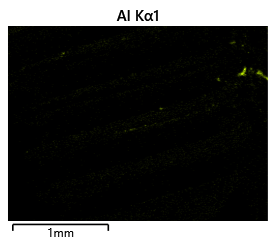
[EDS]
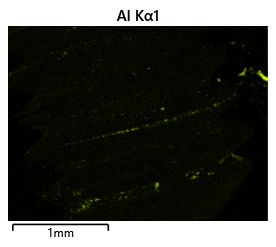
[BEX]
These advantages are particularly valuable for trace element analysis. While conventional EDS systems may miss weak signals due to blocked X-rays in shadowed regions, the BEX detector improves detection reliability through higher collection efficiency and more consistent signal acquisition.

 Hyphal Structures Revealed by SEM